How to Prepare Your Dog for a Photoshoot (Without Stressing Them Out)
Great Photos Start Before Session Day
If you've booked a dog photoshoot (or are thinking about it!) first of all… I'm so excited for you.
Prioritizing memories with your dog is one of the greatest gifts you can give yourself. Their lives are full of moments that feel ordinary now but become priceless with time. That's why photographing dogs is at the heart of everything I do. These sessions are some of the most joyful, meaningful, and rewarding experiences I get to be part of, and my hope is that the images we create become the ones you treasure for years to come.
As magical as these sessions are, I'd be lying if I said they didn't come with a few nerves. In fact, one of the things I hear most often from dog parents is how worried they are that their dog won't "do well" during the session. If that's you, let me reassure you right away: those feelings are completely normal, and you're far from the only one who's had them.
One of the questions I hear most often from dog parents is:
"What should I be doing before our session?"
The good news? Probably less than you think.
As a Houston dog photographer (and fellow dog parent), I've photographed dogs with every personality imaginable. High-energy puppies. Senior dogs who prefer to chill between photos. Dogs who never stop moving. Dogs who would rather sniff every blade of grass than acknowledge me or my camera. Even reactive dogs who simply need a little extra space and patience.
The truth is, your dog doesn't have to be perfectly behaved to create beautiful images. Some of my favorite photographs have happened during zoomies, sniff breaks, curious explorations, and quiet moments between activities.
My job isn't to make your dog fit into a photoshoot, it’s to create a session that fits your dog.
That said, there are a few things you can do beforehand that will help your dog feel more relaxed, make the session run more smoothly, and allow us to spend more time creating genuine moments together.
The Biggest Thing to Remember
Before we get into the checklist, I want to let you in on a little secret.
You do not need a perfectly trained dog. Seriously!
If your dog knows "sit" and occasionally comes when called, that's wonderful. If they don't? That's okay too. My photography sessions with dogs aren’t about asking your dog to perform for an hour. It's about working with their personality instead of against it.
Some dogs want to explore.
Some want to cuddle.
Some want to sprint across the field for ten minutes before settling down.
Every single one of those personalities photographs beautifully.
One of my favorite parts of every session happens in the first few minutes. While most people apologize because their dog is too busy sniffing everything around them, I'm quietly watching them settle into the environment. Those curious little moments often become some of the most authentic photographs of the entire session.
So if you're feeling nervous that your dog won't "behave," take a deep breath. I've got you and I promise I have seen it all before.
1. Tire Out Their Brain, Not Just Their Bodies
One of the biggest misconceptions about dog photoshoots is that your dog needs to arrive completely exhausted. In reality, there's a sweet spot.
A dog who's overflowing with energy may have a hard time settling into the session, but a dog who's completely worn out may lose interest in treats, toys, and interacting with you. My goal is a happy, engaged dog, not one who's running on empty.
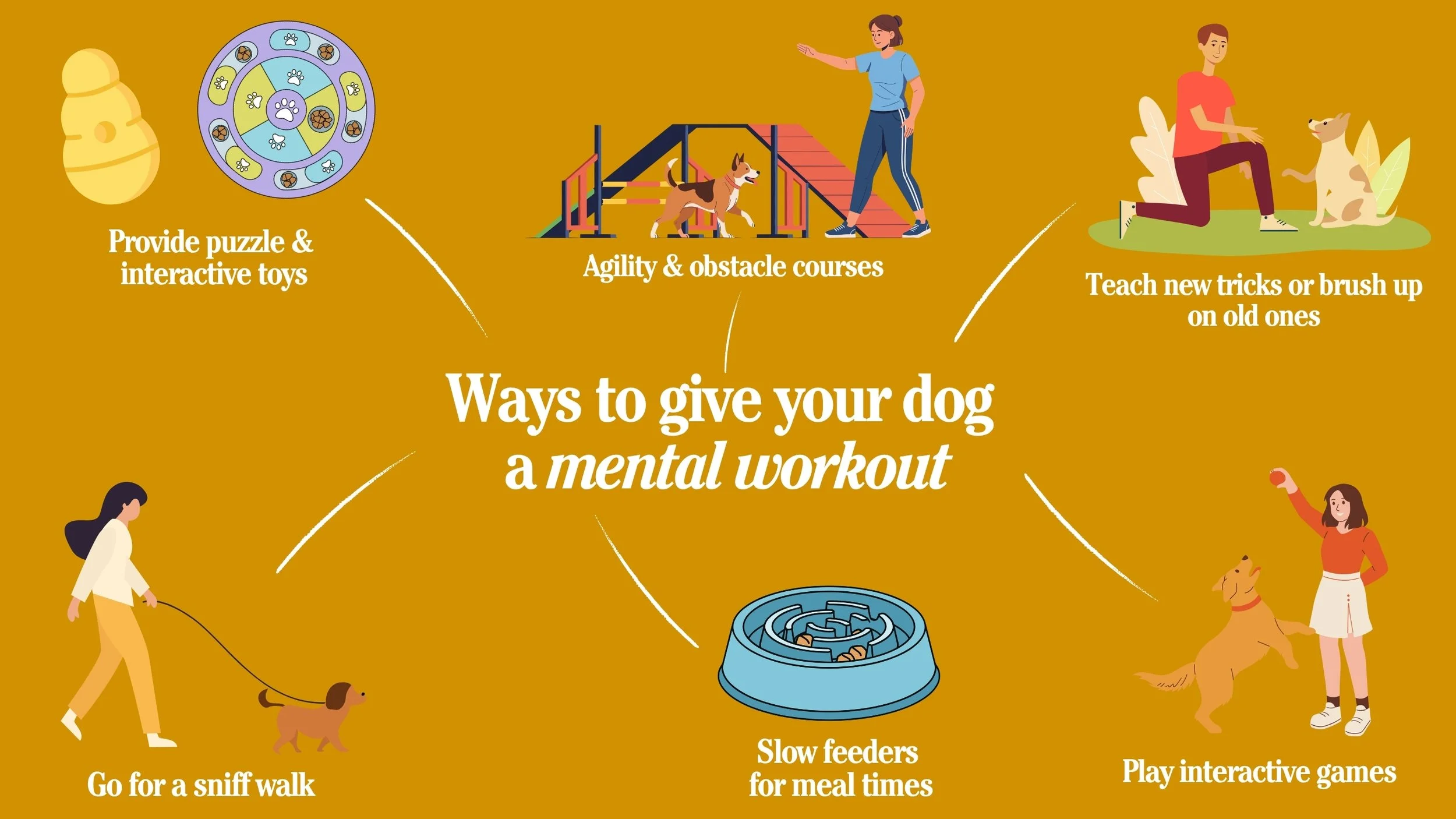
Instead of focusing only on physical exercise, I recommend giving your dog a little mental enrichment before your session.
Mental exercise often tires dogs out more effectively than endless games of fetch, while still leaving them engaged and excited.
Some easy ideas include:
✧ A long sniff walk where they can explore, smell, pee, etc. at their own pace
✧ A frozen Kong or lick mat while you finish getting ready
✧ Puzzle toys or treat-dispensing games
✧ Scatter feeding treats in the grass for them to search for
✧ Short training games using their favorite rewards
If your dog loves a walk beforehand, absolutely do that too. Just try to avoid arriving after an intense hour-long game of fetch in the Texas heat.
Think "content and relaxed" instead of "completely exhausted."
2. Groom Your Dog a Few Days Before Your Session
A little grooming goes a long way in photos, but timing matters.
If your dog regularly gets professional grooming, I usually recommend scheduling it a few days before your session rather than the morning of. This gives their coat time to settle naturally while still looking fresh.
Before your session, consider:
✧ Brushing out loose fur
✧ Wiping around their eyes if tear stains tend to collect
✧ Trimming nails if they're getting long (they're surprisingly noticeable in close-up photos)
✧ Cleaning collars and leashes
✧ Packing a towel if there's been recent rain or we're shooting near water
If your dog loves swimming, rolling in the grass, or digging holes, don't panic if they get a little messy before we start or during the session.
Dogs are meant to be dogs. A little dirt on their paws has never ruined a session.
3. Pack a Small Dog Photoshoot Kit
Having a few essentials with you means we can keep the session flowing without unnecessary interruptions.
Here's what I always recommend bringing:
✧ Plenty of high-value treats (think tiny pieces of chicken, cheese, or whatever your dog absolutely loves but may not get as often)
✧ Water and a portable bowl
✧ Poop bags
✧ Your dog's favorite toy
✧ A brush for quick touch-ups
✧ A towel for muddy paws
✧ An extra leash if you have one
One quick note about treats: this is the perfect time to bring out the really good stuff.
Even dogs who usually aren't food motivated often perk up when chicken or freeze-dried treats make an appearance. Tiny, soft treats work best since we can reward frequently without filling them up.
I also recommend avoiding treats that leave colorful crumbs or drool stains around your dog's mouth, since those can be noticeable in photos.
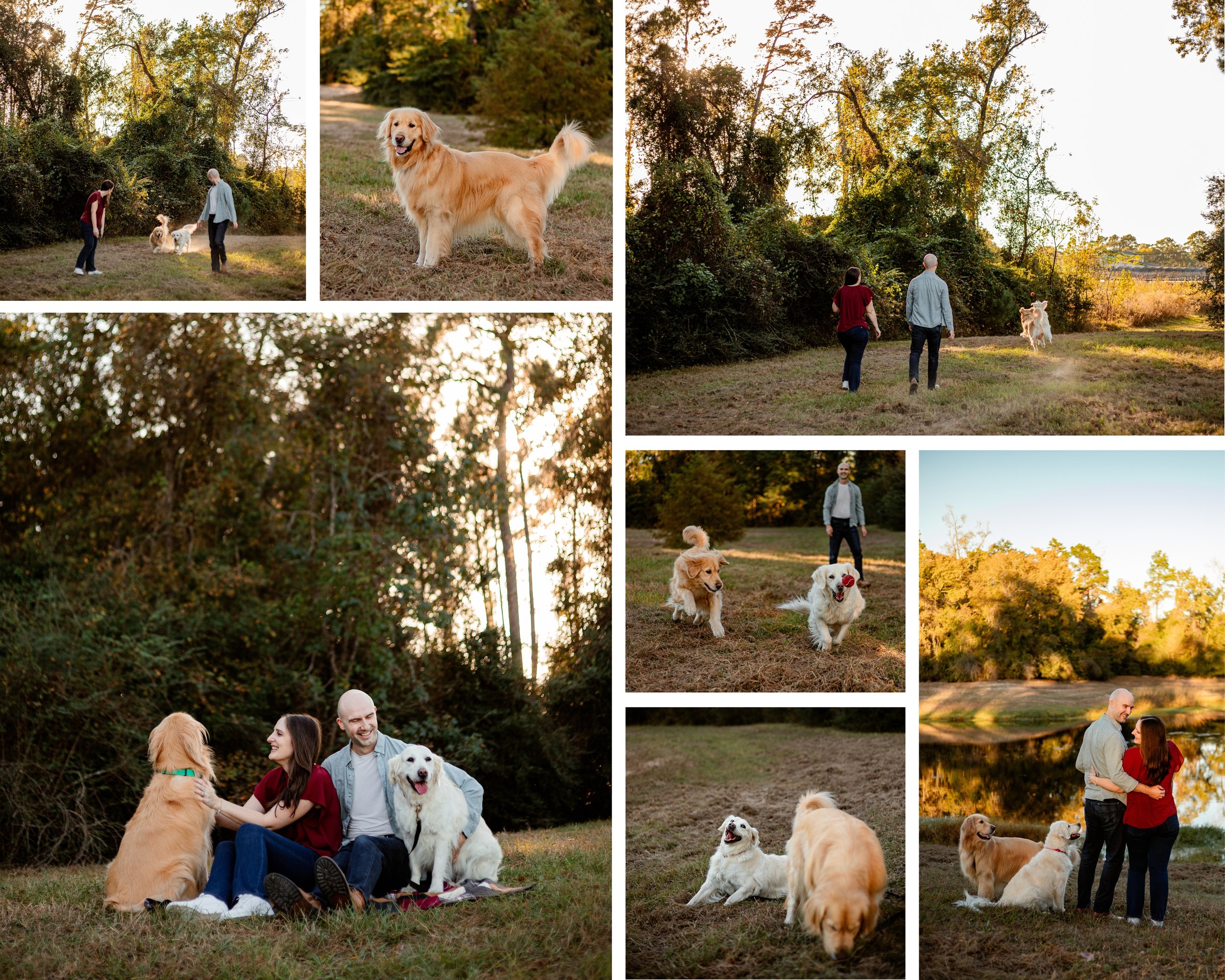
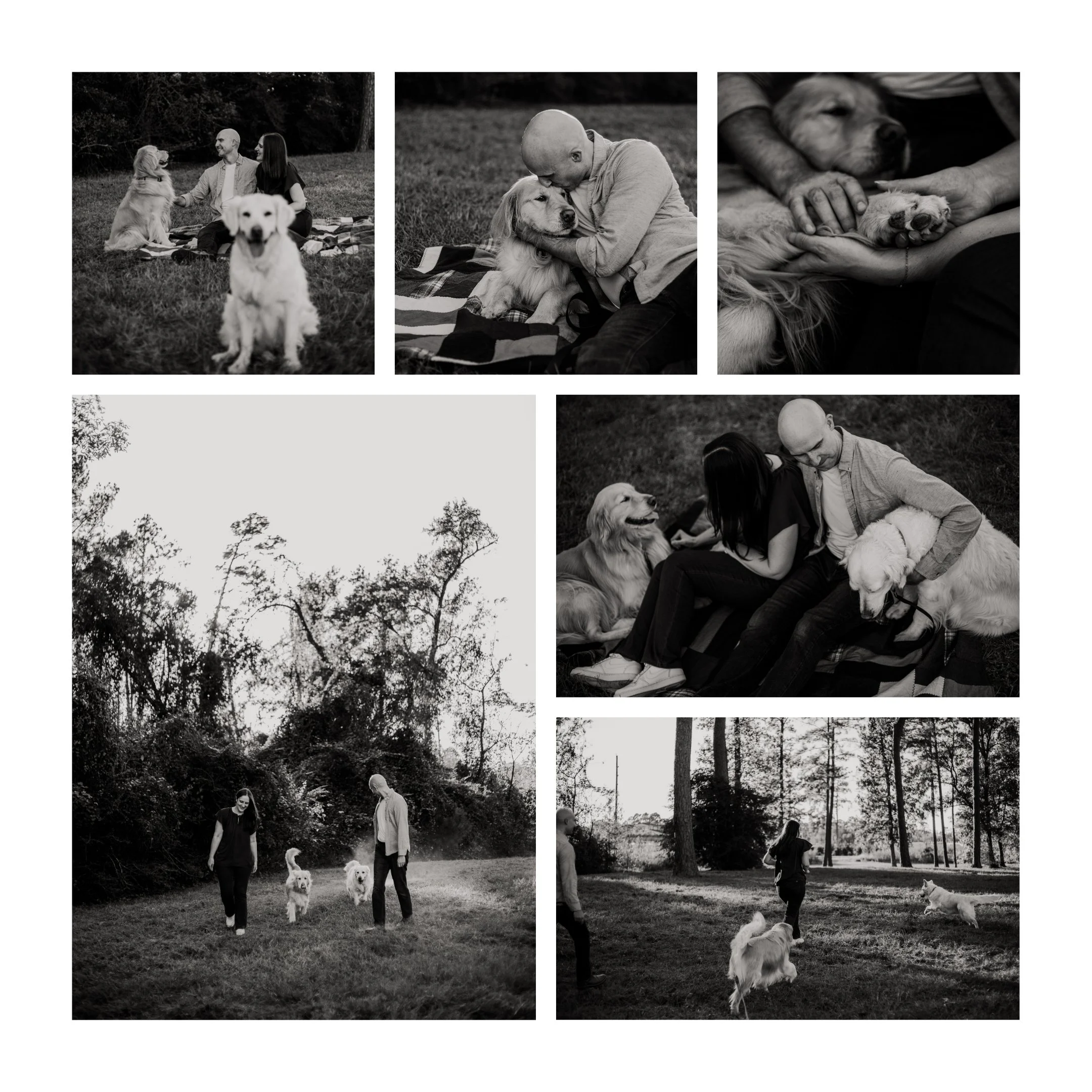
The result of preparing your dogs for a session?
This right here ↓
4. Practice the Basics, But Don't Worry About Perfection
If your dog already knows a few basic cues, it never hurts to brush up on them before your session. A quick five-minute training session here and there in the week leading up to your photoshoot can help refresh those skills without overwhelming your dog.
The commands I find most helpful during a session are:
✧ Sit
✧ Stay (even if it's only for a second or two!)
✧ Come
That's really it. Notice I didn't include "look at the camera.” That's because I don't expect your dog to do that on command.
Getting your dog's attention is part of my job. I have plenty of tricks up my sleeve (some admittedly a little ridiculous) to earn those adorable head tilts, curious expressions, and alert ears.
And honestly? If a dog has no interest in giving me their attention, that is more than okay, too. Some of my favorite photographs happen when a dog isn't looking at the camera at all. I love seeing dogs looking up at their humans or watching something that catches their attention in the distance. Even sniffing every blade of grass they possibly can!
Those are the moments that tell the story of your dog, not just any dog.
So if your pup decides they'd rather explore than pose, don't apologize.
That’s truly what we want in the end.
5. Choose Clothing That Complements Your Dog
If you're planning to be in the photos too (which I always encourage!), don't forget that your outfit plays a role in the final images just as much as the location does.
Soft, neutral colors tend to photograph beautifully and keep the focus on the connection between you and your dog rather than bright patterns or logos.
A few things I recommend:
✧ Stick with earthy or muted tones
✧ Avoid neon colors or large graphics
✧ Choose clothing you can comfortably move, sit, and walk in
✧ Wear shoes that make sense for the location
And here's one tip people don't always think about:
Consider your dog's coat color when choosing your outfit.
If your dog has a beautiful black coat, lighter earth tones can create lovely contrast. But don’t forget that lint roller! If your dog is white or cream-colored, deeper neutrals often help them stand out while still keeping the overall look soft and timeless.
Don't stress too much, though. Once you book your session, I'll help guide you through wardrobe choices so you never have to figure it out on your own.
6. "But...My Dog Is Reactive."
If you've been nodding along while quietly thinking,
"This all sounds great… but my dog is reactive,"
First, I want you to know something: You're not alone.
As someone who has personally lived with a reactive dog, and has worked with numerous reactive dogs, I understand how overwhelming new environments, unfamiliar people, and unexpected distractions can feel – not just for your dog, but for you, too.
The good news? Reactive dogs absolutely deserve beautiful photos, too. And they deserve a session that's built around their comfort. Not anything cookie cutter.
That might mean choosing a quieter location with fewer distractions or scheduling your session during less busy hours/off-season. It also may mean giving your dog extra time to sniff and decompress before we ever start taking photos.
Or maybe it means photographing from a little farther away with a longer lens so your dog never feels pressured by my presence.
Whatever your dog needs, we'll make a plan together.
There is no judgment if your dog needs space.
No expectation that they'll interact with strangers.
And absolutely no pressure to force them into situations where they don't feel safe.
Your Dog Photoshoot Preparation Timeline
If planning helps calm your nerves, here's a simple checklist you can follow leading up to your session.
About a Week Before
✧ Schedule any grooming appointments
✧ Refresh basic cues like "sit," "stay," and "come"
✧ Make a mental or physical list of treats, toys, and any session essentials you want to bring along
✧ Ensure wardrobe (for both you and your dog!) are finalized
The Day Before
✧ Pack everything you’ll need instead of scrambling tomorrow! Your future self will thank you.
✧ Brush your dog's coat if needed or any other last minute grooming.
✧ Keep their routine as normal as possible. Dogs thrive on routine, so there's no need to make the day before your session dramatically different. A familiar schedule helps them head into the next day feeling comfortable and relaxed.
✧ Plan tomorrow's mental enrichment. Whether that's freezing a Kong, filling a treat pouch, or setting out a puzzle toy, getting everything ready the night before means one less thing to think about on session day.
The Day of Your Session
✧ Give your dog time for a relaxed walk, mental enrichment or a sniffari prior to your session
✧ Keep the rest of your day as relaxed as possible. If you can, avoid squeezing in a dozen other errands, appointments, meet ups, etc. prior to your photoshoot. Dogs are incredibly in tune with us, and if you're feeling rushed, there's a good chance they'll pick up on that energy too. Giving yourselves a little breathing room helps everyone arrive feeling calmer and ready to enjoy the experience.
✧ Arrive early! If you can, plan to arrive about 10-15 minutes before your scheduled session. While you're probably thinking about being on time, your dog is thinking about, well… every fascinating smell they've just discovered.
New places are exciting! Giving your dog a few extra minutes to sniff, explore, and go to the bathroom helps satisfy that initial curiosity before we ever start taking photos. Instead of jumping straight into the session, they have a chance to settle into the environment naturally.
Remember: your dog doesn't know they've arrived for a photoshoot. They think you've just taken them somewhere incredibly exciting that smells like fifty other dogs, wildlife, and dozens of other things.
One thing I've noticed over the years? Some of my smoothest sessions begin before I even take my camera out. I get to the location and my clients are already there, letting their dog wander, sniff, and simply be a dog for a few minutes. It genuinely makes such a difference.
If you only take one piece of advice from this guide, let it be this one. Arriving early is one of the simplest things you can do to help set your dog (and yourself!) up for a relaxed, successful session. (Although, of course, I'd still recommend the rest of the checklist too.)
Beautiful Photos Start With Letting Dogs Be Dogs
If there's one thing I hope you take away from this guide, it's this:
Let your dog be a dog.
There will be plenty of time for portraits, but don't be surprised if some of your favorite images happen in between. A curious sniff. A goofy grin after a roll in the grass or a stoic gaze as they fixate on something in the trees. The way they look back at you while you're simply walking together. Those aren't distractions from the session, they are the session.
Those little moments of personality are what make these sessions feel honest. They're a reflection of who your dog is right now, and those are often the memories that become the most meaningful years down the road. Your dog's personality isn't something we're trying to manage or train out of them. It's exactly what we're there to celebrate.
Trust your dog and follow their lead. I promise it’ll be worth it.